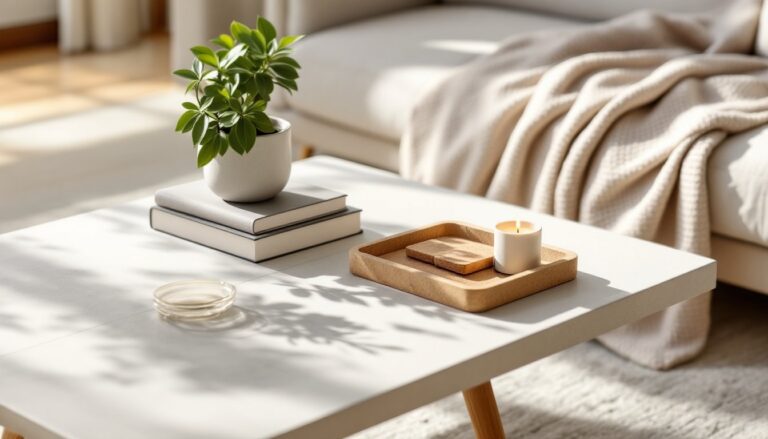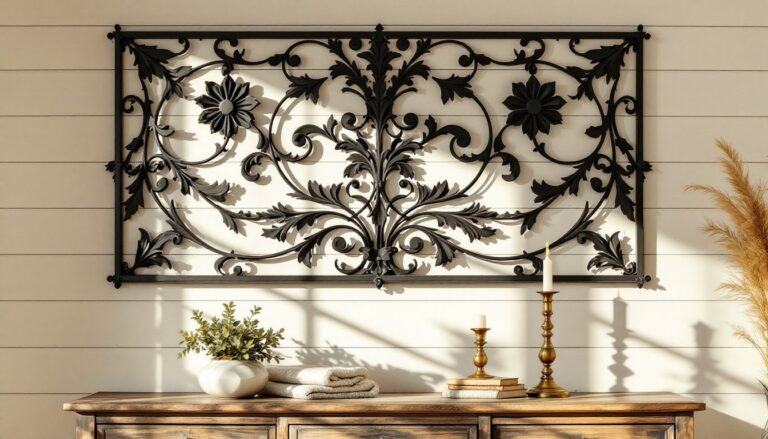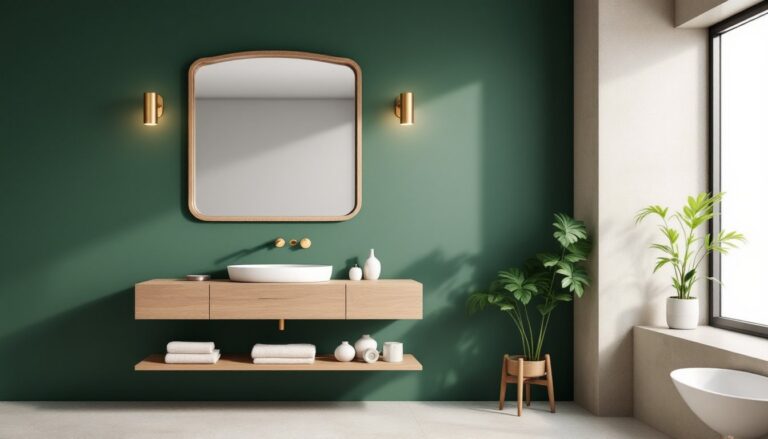
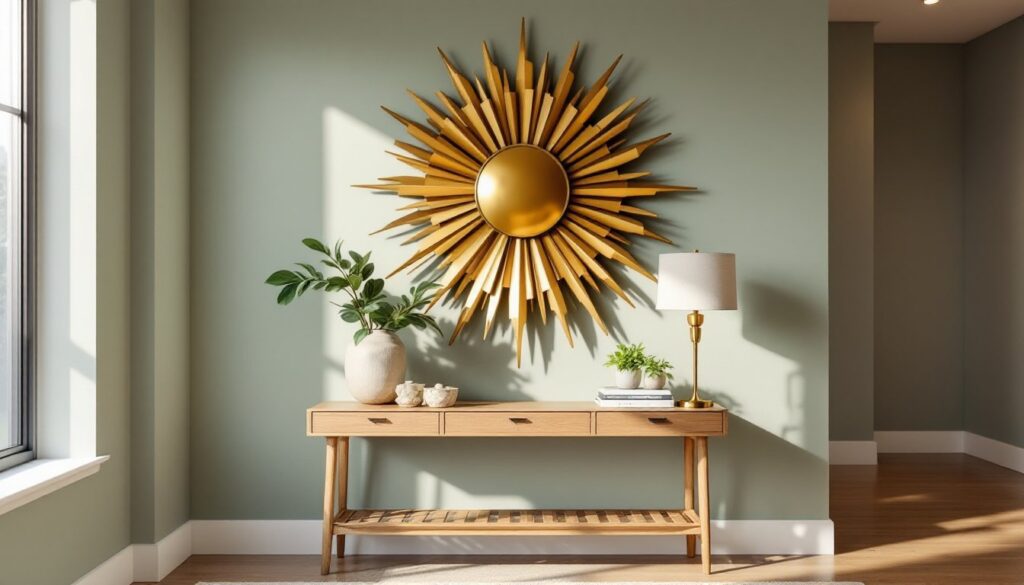
Metal wall decor has moved beyond the industrial-warehouse aesthetic to become a versatile design element in modern homes. Whether you’re drawn to bold geometric shapes, vintage signage, or sculptural art installations, large metal wall pieces command attention without requiring renovation work or professional installation expertise. Homeowners and DIY enthusiasts are discovering that a well-chosen metal focal point can anchor a room, bridge mismatched design elements, and add personality far more effectively than paint color alone. This guide walks you through selecting, sizing, and hanging large metal wall decor that fits your space and style.
Table of Contents
ToggleKey Takeaways
- Large metal wall decor serves as a durable, fade-resistant focal point that anchors rooms without requiring renovations or professional installation, making it ideal for entryways, bathrooms, and kitchens.
- Use the two-thirds rule when sizing: your metal wall decor piece should occupy roughly two-thirds the width of the furniture or feature it hangs above for proper visual balance.
- Heavy metal pieces over 30 pounds require secure installation into wall studs using appropriate fasteners; a French cleat is the gold standard for pieces exceeding 60 inches or 50 pounds.
- Metal finishes—matte black, brushed steel, polished brass, and rust patina—determine whether large metal wall decor fits industrial, contemporary, or rustic styles while complementing existing décor.
- Maximize impact by keeping the surrounding wall clean and neutral, anchoring the piece with furniture or rugs below, and using directional lighting to highlight texture and depth.
- Avoid over-accessorizing; let your large metal wall decor statement piece stand alone as the room’s focal point rather than competing with additional wall art or floating shelves.
Why Large Metal Wall Decor Works for Modern Homes
Large metal wall decor solves a real problem: how to fill vertical space without clutter. A single statement piece draws the eye and becomes the room’s anchor, eliminating the need for three-to-five smaller framed prints or textile hangings. Metal doesn’t date as quickly as trendy paint colors or wallpaper patterns. It catches light differently throughout the day, creating subtle visual shifts that keep a room interesting without requiring seasonal swaps.
Metal is also forgiving in terms of décor compatibility. Whether your space leans toward farmhouse, modern, eclectic, or traditional, some metal piece will complement it, the finish and design determine whether it feels cohesive or jarring. A matte black abstract sculpture reads differently than a polished brass sunburst or a weathered steel vintage truck sign. The durability factor matters too. Unlike canvas or paper art, properly hung metal won’t fade, warp, or deteriorate from humidity or sunlight exposure, making it ideal for entryways, bathrooms, kitchens, and outdoor-facing walls.
Popular Styles and Designs to Consider
Industrial and Rustic Options
Industrial metal decor typically features exposed bolts, welded seams, raw finishes, and geometric cutouts. Reclaimed or new metal with a patina finish, rust, verdigris, or intentional oxidation, signals authenticity and age. Rustic pieces often draw from farm equipment, vintage signage, or salvage themes. A galvanized metal rooster silhouette, a “Farm Fresh” sign with chippy paint, or cutout barn stars work well in farmhouse and country kitchens. These pieces typically range from 24 to 48 inches in width, making them substantial enough to justify their visual weight without overwhelming standard wall space.
Think about finish: brushed steel reads softer than polished chrome, while rust patina finishes evoke authenticity. If rust concerns you, especially in damp areas, ask the seller whether the finish is sealed or if you’ll need to apply a protective coat annually. The cost difference between new reproductions and genuine vintage pieces is significant, but reproduction industrial decor now captures the look convincingly.
Contemporary and Minimalist Pieces
Minimalist metal decor favors clean lines, abstract forms, and neutral finishes. Think matte black sculptures, brushed stainless steel panels with subtle texture, or geometric wall hangings that look almost architectural. Contemporary pieces often play with negative space, the “air” cut out of the metal is as important as the solid portions. A large rectangular frame with internal geometric divisions, or an abstract sunburst with welded spokes, creates visual interest without ornamentation.
Finishes here lean toward monochromatic: matte black, brushed aluminum, powder-coated bronze, or polished brass. These complement modern furniture, open shelving, and minimalist color schemes. Contemporary pieces tend toward the pricey side, custom-made metal art often costs $300–$1,500 depending on size and fabrication complexity, but mass-produced versions from home decor retailers start around $80–$150 for pieces 36–48 inches wide.
How to Choose the Right Size and Scale
Size matters more than most DIYers realize. A piece that looks stunning in a showroom can disappear on a 12-foot living room wall or dwarf a bedroom. Start by measuring your wall and identifying the focal point, the space above a sofa, bed, console table, or fireplace mantel.
The “two-thirds rule” is practical here: large metal wall decor should occupy roughly two-thirds the width of the furniture or architectural feature it sits above. If your sofa is 84 inches wide, aim for a piece 48–56 inches wide. For a console table that’s 48 inches wide, a 30–36 inch piece works. Height matters less rigidly, pieces can range from 24 to 72 inches tall depending on room ceiling height and surrounding furniture. A piece in a room with 8-foot ceilings reads very differently than the same piece in a 10-foot or vaulted space.
Consider your wall’s other elements. If you’re hanging above a busy patterned rug, a minimal geometric piece prevents visual chaos. Above a plain wall, a detailed or textured metal piece can carry the design load. Think about sightlines too: you’ll view the piece from the room’s entry and from your seating area. Trace the outline of your chosen piece on kraft paper, tape it to the wall, and live with it for a day before committing. Scale shifts dramatically once you see it in place versus in a product photo.
Installation Tips for Secure Hanging
Large metal pieces are heavy, even a 48-inch wide abstract sculpture can weigh 20–40 pounds depending on thickness and density. Hanging it properly is non-negotiable for safety and longevity.
Step 1: Locate studs. Use a stud finder to map where vertical studs (typically spaced 16 inches on center) run behind your drywall. Mark them lightly with pencil. For pieces under 30 pounds, one stud is usually sufficient if the piece’s hanging hardware is centered over it. Pieces 30–60 pounds should attach to two studs if possible, or use a horizontal French cleat that spans across studs.
Step 2: Use the right fasteners. Into studs, ½-inch wood screws or lag bolts rated for your piece’s weight work reliably. If you can’t hit studs (or the piece’s hanging bracket doesn’t align), toggle bolts, molly bolts, or drywall anchors rated for 50+ pounds are acceptable, but they’re less reliable than studs for weights over 40 pounds. Read the product’s weight rating, most anchors are clearly marked.
Step 3: Install the bracket or cleat. Most large metal art comes with a pre-drilled hanging hole or bracket on the back. Install it at the correct height, then use a level to confirm it’s plumb before tightening hardware fully. If the bracket sits slightly off-center due to wall irregularities, that’s fine, the piece will still hang straight once you level it.
Step 4: Test before calling it done. Gently push on the piece from multiple directions to confirm it’s rock-solid. It should not shift, rotate, or creak.
For very large pieces (60+ inches or 50+ pounds), a French cleat is the gold standard. This is two matching strips of lumber (typically 2×4 or 2×6, depending on weight) cut at a 45-degree angle, with one piece bolted to wall studs and the other affixed to the back of the art. The cleat distributes weight evenly across multiple studs and distributes force downward, not outward, much safer than relying on two bolts alone. Installation is straightforward if you’re comfortable with a miter saw for the 45-degree cuts, though a contractor can do this in minutes for $50–$100 if you’d rather not tackle it yourself.
Styling Ideas to Maximize Visual Impact
A metal focal point doesn’t exist in isolation, its surroundings determine whether it sings or falls flat. Here’s how to make it work harder in your room.
Keep the wall clean. Resist the urge to surround a statement piece with other wall art, floating shelves, or sconces. White, gray, or muted neutral walls let the metal shine without competition. If your wall is textured or papered, consider a solid paint refresh in a soft neutral before hanging, this is an affordable way to elevate the entire look without adding more decor.
Anchor with furniture or rugs. Place a console, sofa, or bed directly below the piece. A coordinating area rug underneath grounds the arrangement and ties it to the rest of the room. Designers and DIY enthusiasts featured on Young House Love often layer metal wall art with natural wood or soft textiles to avoid an all-industrial coldness.
Control lighting. If possible, aim a picture light or directional track lighting at the piece, especially if it has texture or cutout details. Shadows and highlights bring metal dimensional depth that flat, even overhead lighting flattens. This doesn’t require an electrician, a simple clamp-on lamp or adhesive picture light works.
Complement with color and material. A matte black geometric wall piece pairs beautifully with warm wood furnishings, leather, or terracotta accents. Polished brass or gold-toned metal softens when surrounded by cream, blush, or sage tones. Rustic galvanized or aged-steel pieces belong near reclaimed wood, linen, and earth tones. The Spruce Crafts offers countless tutorials on creating cohesive color stories, which applies equally to integrating statement decor.
Consider scale repetition. If your metal piece is geometric, echo those shapes in smaller ways elsewhere, a geometric pillow, a matching throw blanket pattern, or even a geometric plant stand. This creates visual rhythm and makes the large piece feel intentional rather than random.
Don’t over-accessorize below. A single console with a simple mirror, one or two plants, and a neutral lamp is plenty. Resist the gallery-wall temptation, the metal piece is already the focal point. Luxury design sites like Elle Decor showcase how restraint and breathing room elevate even understated interiors.