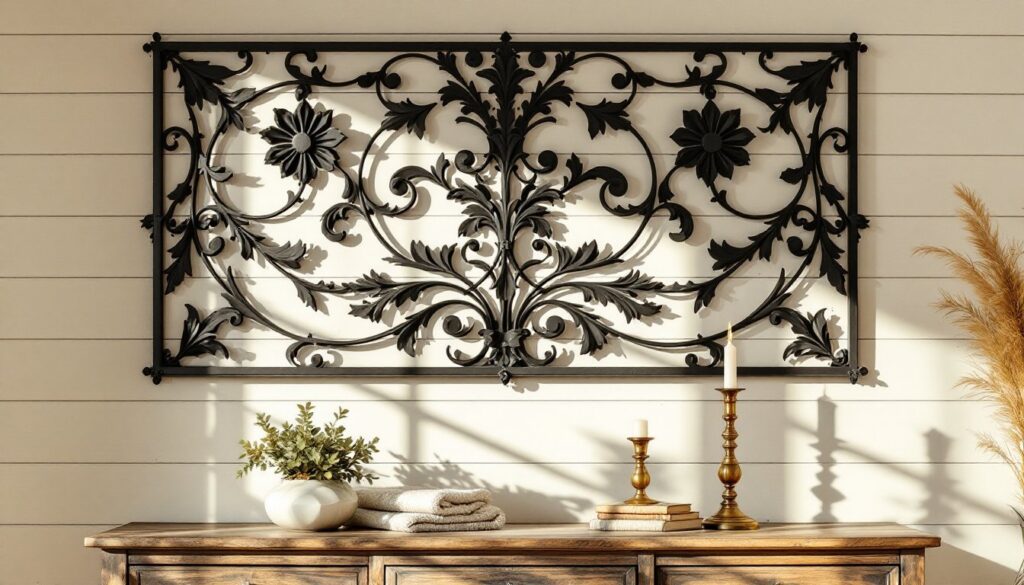
Iron wall decor has become a staple for homeowners wanting to add character and visual interest without a full renovation. Whether you’re drawn to the warmth of rustic farmhouse style or the clean lines of contemporary design, iron pieces bridge the gap between functional art and affordable transformation. Unlike trendy decor that fades in a season, quality iron wall decor ages beautifully and works across multiple design directions. The appeal is practical too, iron is durable, requires minimal maintenance, and adds genuine depth to otherwise plain walls. If you’re considering iron wall decor for your home, this guide walks you through styles, selection, installation, and upkeep so you can hang with confidence.
Table of Contents
ToggleKey Takeaways
- Iron wall decor adds lasting visual weight and character to any room while remaining durable and low-maintenance compared to wood or fabric alternatives.
- Popular styles range from rustic farmhouse pieces ($25–$150) to industrial and contemporary designs ($40–$250+), allowing you to match your home’s existing palette and design direction.
- Always locate wall studs before installation, as most iron wall decor weighs 10–25 pounds and requires lag bolts or heavy-duty screws rather than drywall anchors alone.
- Iron wall decor tolerates moisture better than lighter materials, making it ideal for kitchens, bathrooms, and entryways where humidity and temperature fluctuate.
- Keep iron pieces dust-free with monthly cleaning and occasional light moisture to slow rust formation; sealed finishes require minimal upkeep while natural patina ages beautifully over time.
Why Iron Wall Decor Works for Modern Homes
Iron wall decor fills a design need that lighter materials simply can’t match. It carries visual weight, the kind that makes a room feel intentional and grounded. Unlike floating shelves or canvas prints, a wrought iron piece commands attention and anchors a wall, even when the rest of the room is still a work in progress.
The material itself speaks to craftsmanship. Handforged iron, in particular, carries marks and variations that signal authenticity. Mass-produced cast iron can look equally polished and modern, but both styles convey substance in a way that mass-market alternatives don’t.
From a practical standpoint, iron tolerates moisture better than wood or fabric decor. Kitchens, bathrooms, and entryways, spaces where humidity and temperature swings are normal, are ideal homes for iron pieces. A wrought iron wall sconce or gate-style panel won’t warp, fade, or attract dust like softer materials. Homeowners also appreciate that iron plays well with nearly every color palette and finish style, from matte black to copper-tone patina. It’s a chameleon material that adapts rather than dominates.
Popular Iron Wall Decor Styles and Designs
Rustic and Farmhouse Iron Accents
Rustic iron pieces evoke barns, cottages, and heritage craftsmanship. Think wrought iron scroll designs, decorative hinges, vintage-style keys, and barn door hardware repurposed as wall art. Many homeowners source these from architectural salvage yards or replicas sold at home goods retailers. A large wrought iron key hung above a doorway or grouped in clusters adds narrative detail without requiring wall studs or serious planning.
Farmhouse style leans into the distressed, weathered look, iron with visible rust, patina, and irregular edges feel at home in spaces with shiplap, reclaimed wood, and vintage textiles. Wall-mounted iron plant hangers, hooks, and geometric shapes in this style are widely available and budget-friendly. Brands range from specialty blacksmiths to big-box retailers, so quality and authenticity vary. Expect to spend $25–$150 per piece for quality farmhouse-style iron, depending on size and detail.
Industrial and Contemporary Iron Pieces
Industrial design borrows from factory aesthetics: clean lines, geometric forms, and an embrace of raw materials. Iron wall grids, shelving brackets, geometric wall panels, and minimalist metal frames fit this category. The finish is often matte black, oil-rubbed bronze, or bare steel, no patina or distressing.
Contemporary iron decor takes a subtler approach. Instead of bold statement pieces, you’ll see iron used as framing (around mirrors or artwork), subtle accents in wall-mounted shelving, or integrated into furniture like metal-frame coffee tables that anchor a space. A single well-placed geometric iron wall sculpture can define an entire gallery wall. These pieces skew modern and work best in homes with clean palettes and intentional spacing. Prices range from $40–$250+ depending on artist reputation and fabrication complexity.
How to Choose the Right Iron Decor for Your Space
Start by auditing your existing palette. Pull paint chip samples from your walls, photograph your flooring, and note the finish of any existing metal in the room, doorknobs, light fixtures, cabinet hardware. Iron decor should complement, not clash with, these elements. A matte black iron piece will feel at home in a modern gray kitchen but may compete with brass or gold fixtures. Consistency signals intentionality.
Consider scale next. A small iron piece on a large empty wall disappears: a oversized sculpture in a cozy bedroom overwhelms. Measure your wall space and imagine the piece in situ. As a rule, wall art should occupy no more than 60–75% of the wall space above a piece of furniture. If you’re hanging above a dresser, sofa, or entryway console, the decor should relate in visual weight and proportion to what’s below it.
Think about function alongside aesthetics. Are you seeking a purely decorative accent, or do you want a wall-mounted iron hook rack that holds scarves and bags? A combination approach, beauty plus utility, often feels less “staged” and more livable. Homeowners often find that functional decor (hooks, shelves, towel bars in decorative iron) feel more justified than purely decorative pieces, especially in high-traffic areas.
Budget matters, too. Handforged, bespoke iron from a local blacksmith or artisan maker runs $150–$500+ per piece. Quality production pieces from specialty retailers cost $50–$200. Big-box options often range $20–$80 but may show quality differences in welding, finish, and durability. None is “wrong”, it depends on your priorities, the lifespan you expect, and where the piece will live in your home.
Installation Tips and Best Practices
Before hanging anything, locate wall studs using a stud finder. Most iron wall decor is heavy, a medium-sized wrought iron panel can weigh 10–25 pounds. Drywall anchors alone won’t reliably hold that weight long-term, especially if the piece experiences vibration or temperature changes. Use lag bolts or heavy-duty machine screws into studs whenever possible. If studs aren’t positioned where you want the piece, toggle bolts or heavy-duty molly bolts in drywall can work for items under 15 pounds, but studs are always the safer choice.
Measure twice, mark once. Use a level and a pencil to mark mounting hole locations before drilling. A crooked installation undoes even the best-looking decor. If the piece has multiple mounting points, a laser level or straightedge helps ensure alignment.
Always wear safety glasses when drilling, and use the correct drill bit for your wall type (masonry bits for concrete, regular twist bits for drywall). If you’re drilling into plaster or concrete, proceed slowly and expect dust, a dust mask isn’t overkill.
For renters or those who prefer non-permanent solutions, adhesive-backed command strips designed for heavy items can work for lighter pieces under 5 pounds. These aren’t permanent but won’t damage walls. Read weight limits carefully, they vary by product.
One often-overlooked detail: check behind the wall for electrical wiring or plumbing before drilling. A stud finder with electronic wire detection offers peace of mind, especially in kitchens and bathrooms. Many DIY decor tutorials and home project guides cover safe drilling practices in detail if you’re unsure about your wall composition.
Maintenance and Caring for Your Iron Wall Decor
Iron is low-maintenance compared to wood or fabric, but it’s not completely hands-off. Dust your pieces monthly with a soft cloth or a dry microfiber duster. This prevents buildup that can trap moisture and accelerate rust formation. In humid rooms like bathrooms and kitchens, dust more frequently, aim for every two weeks.
For pieces with a sealed finish (lacquer or polyurethane), that’s often all the maintenance you need. If your iron shows bare steel or a natural patina, light surface rust is cosmetic and part of the aging process. Many homeowners embrace this, it’s authentic. If you prefer to slow oxidation, wipe pieces occasionally with a slightly damp cloth followed immediately by a dry cloth to prevent moisture from lingering.
If rust accumulates and you want to remove it, use fine steel wool (0000 grade) or a soft wire brush with gentle pressure. Don’t sand aggressively: you’ll remove the intentional finish. For stubborn rust, white vinegar applied with a cloth and left for a few hours can help, wipe clean and dry thoroughly afterward. Avoid harsh chemical rust removers on decorative pieces: they can damage finishes.
In coastal or highly humid climates, consider applying a clear wax or light oil coating annually to help protect the iron. Products like Renaissance wax (commonly used for museums and antiques) or linseed oil work well. Apply sparingly with a soft cloth, allow to dry, then buff away any residue. Test any product on a hidden area first.
If your iron decor shows signs of structural damage, loose joints, deep corrosion, or bent supports, it’s time to either remove it or consult a metalworker about repair. A piece that’s slowly deteriorating can eventually fail and fall, especially if it’s wall-mounted and poses a safety risk.