
Gothic bedroom decor transforms a bedroom from a generic sleeping space into a richly atmospheric retreat. Whether you’re drawn to Victorian drama, Victorian darkly elegant aesthetics, or a contemporary take on gothic style, this approach embraces deep colors, ornate details, and moody ambiance without requiring professional installation or a complete structural overhaul. Most gothic bedroom projects are purely decorative, meaning you can carry out them gradually and adjust as you go. This guide walks through the core elements, color, furniture, lighting, and textiles, that professionals and DIY enthusiasts use to build cohesive gothic bedrooms that actually feel livable, not like a stage set.
Table of Contents
ToggleKey Takeaways
- Gothic bedroom decor transforms a space through dark colors, ornate details, and strategic lighting rather than major structural changes, making it a gradual, achievable DIY project.
- Start with two foundational elements: a dark wall color (charcoal, deep black, forest green, or burgundy) and an ornate statement bed, then layer textiles and accents over time.
- Layer your lighting with dimmed central fixtures, bedside sconces, and warm Edison bulbs (2700K) to balance moody atmosphere with functional navigation and safety.
- Mix vintage and contemporary furniture pieces from thrift stores and estate sales to create an intentional gothic aesthetic without requiring period-authentic matching pieces.
- Gothic bedroom textiles—including velvet bedding, heavy dark curtains, ornate rugs, and lace accents—should balance richness with breathing room to avoid overwhelming the space.
- Adapt the gothic style to your room’s existing architecture: high ceilings and crown molding enhance the look, while smaller spaces require a lighter touch to prevent claustrophobia.
Understanding Gothic Bedroom Aesthetics
Gothic bedroom design draws inspiration from medieval and Victorian eras but needn’t feel historically rigid. The core principle is creating a sense of drama and intimacy through dark tones, layered textures, and strategic use of ornamental elements. Think shadows and elegance rather than horror-movie clichés.
True gothic style balances darkness with sophistication. A well-designed gothic bedroom feels intentional and curated, not like someone simply painted everything black and called it a day. The aesthetic typically includes a mix of elements: rich jewel tones (deep purples, burgundies, forest greens), ornate or vintage-inspired furniture, arched architectural details when possible, and decorative items with historical or gothic symbolism, wrought iron, carved wood, velvet, lace, and candlelight.
Consider your space’s existing architecture. High ceilings, crown molding, or hardwood floors give you natural advantages. Smaller rooms or spaces with drop ceilings require a lighter touch to avoid feeling claustrophobic. The best gothic bedrooms adapt the aesthetic to the room’s bones rather than fighting them.
Color Palettes and Wall Treatments
Wall color sets the entire mood. Most gothic bedrooms start with a dark base: charcoal gray, deep black, forest green, burgundy, or even a dark plum. Paint brands like Benjamin Moore, Sherwin-Williams, and Farrow & Ball offer rich, complex dark colors that feel sophisticated rather than flat.
Application matters. Dark paint requires proper surface prep: fill holes, sand glossy surfaces, apply primer (especially important over light colors or glossy finishes), and use quality paint. Most dark colors need two coats minimum. Expect 350–400 square feet of coverage per gallon of quality paint on smooth drywall.
If solid dark walls feel too heavy, consider these alternatives: paint three walls dark and one accent wall in a complementary shade, install wainscoting or chair rail treatments in matte black or dark wood with lighter upper walls, or use wallpaper featuring gothic patterns (damask, floral, or Victorian prints) as an accent wall or full room treatment. Interior design trends show growing interest in moody color schemes as homeowners embrace darker, more dramatic spaces.
Texture adds dimension. Matte finishes are more forgiving than glossy and feel more period-appropriate. Consider a faux finish like a subtle metallic glaze or subtle sheen to break up flat color without the maintenance of wallpaper.
Furniture Selection for Gothic Style
Gothic bedroom furniture typically features dark wood, ornate details, and substantial proportions. A statement bed anchors the room: look for frames with carved details, arched headboards, or wrought-iron accents. Velvet upholstery, in deep jewel tones or black, adds luxury and texture.
When sourcing pieces, you don’t need everything to match or be period-authentic. Mix eras: a Victorian-style wooden bed paired with a sleek black nightstand works. Thrift stores, estate sales, and online marketplaces often have affordable ornate frames and wood furniture that fit the aesthetic. Look for substantial wood pieces over particle board, they’ll feel more intentional and last longer.
Storage is functional and stylish. A dark wood dresser with ornate hardware, a gothic-inspired vanity, or even a simple dark cabinet with tall legs and decorative pulls creates visual interest while serving practical needs. Avoid too much clutter: gothic style thrives on intentional placement and breathing room.
Another practical option for gothic bedrooms is the modern witch home decor approach, which incorporates dark, ornate pieces alongside contemporary comfort, think vintage wooden furniture with modern bedding.
Lighting and Atmospheric Elements
Lighting in a gothic bedroom must balance drama with functionality. You’ll want enough light to navigate safely and dress, but the overall feel should be moody.
Choosing the Right Light Fixtures
Skip bright, sterile overhead fixtures. Instead, layer your lighting: a central fixture (if required by code or preference) can be dimmed via a compatible dimmer switch, paired with bedside lamps, sconces, and accent lighting.
Sconces flanking the bed or mirror add elegance and directed task lighting without blasting the whole room. Choose fixtures with dark finishes, matte black, oil-rubbed bronze, or dark brass, and consider styles featuring candle-like bulbs, crystal elements, or wrought-iron details. Pendant lights over a vanity or desk add gothic charm and functional light.
Lamps with dark shades (black, deep burgundy, or bronze) and solid bases contribute to the aesthetic. Avoid translucent or white shades. For accent lighting, string Edison bulbs or fairy lights in warm white (2700K color temperature, not cool white) create intimate atmosphere without kitsch.
Candles are essential to gothic atmosphere but require caution: use battery-operated candles in tall glass holders or lanterns to mimic real candlelight without fire risk. Real candles work in supervised spaces or with proper ventilation, but battery options reduce safety concerns and require no open flame.
Lighting controls matter. Install a dimmer switch compatible with your bulbs (check LED compatibility, not all dimmers work with all LEDs). This lets you adjust ambiance from functional to moody depending on the hour or your mood.
Textiles, Patterns, and Decorative Accents
Textiles shape comfort and atmosphere. Bedding is your largest textile surface, so start there: deep colors (black, burgundy, dark purple, forest green) in materials that feel luxurious. Velvet, cotton sateen, or linen blends work well. Add layers, a dark duvet, patterned throw pillows, and a lace or fringed throw blanket create depth and texture.
Window treatments set the gothic tone. Heavy curtains in dark fabric provide light control and drama. Look for velvet, damask patterns, or deep jewel-toned brocade. If you prefer lighter curtains for daytime, layer sheer dark panels under blackout liners: this maintains the gothic aesthetic while allowing light control. Standard rod installation applies: measure inside the frame or outside for different looks, use a level, and follow manufacturer load-bearing specs.
Area rugs ground the space. A dark rug with ornate patterns, persian-style, damask, or floral, adds richness. Layering a smaller decorative rug over larger neutral carpet creates visual interest without full replacement.
Decorative accents personalize and complete the look: ornate mirrors (often with dark wood or metal frames), vintage books stacked on nightstands, framed gothic or Victorian artwork, candelabras, lanterns, and small sculptures. Incorporate plants sparingly, dark-leafed varieties like snake plants or pothos in black planters add life without disrupting the aesthetic.
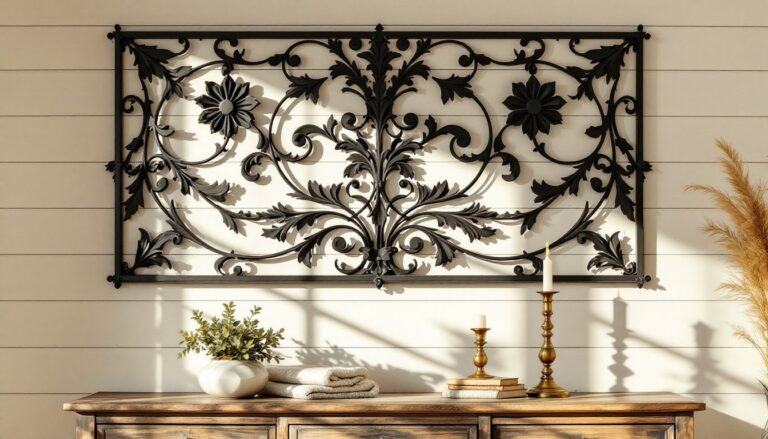
Wall decor might include tapestries, framed botanical prints, or architectural-style pieces. Avoid novelty items: choose pieces that feel intentional. Hooks and rails installed at standard heights (typically 60 inches to the center of a picture frame) hang items securely and maintain visual balance.
Conclusion
Gothic bedroom decor is an achievable, adaptable aesthetic that doesn’t require major structural work. Start with wall color and bed frame, the two elements that anchor the space. Layer in textiles, lighting, and accents gradually, sourcing pieces you genuinely like rather than hunting for “perfect” matches. The most successful gothic bedrooms feel personal and livable, not like museum displays. This is a project you can tackle over time, adjusting as your taste and budget allow.