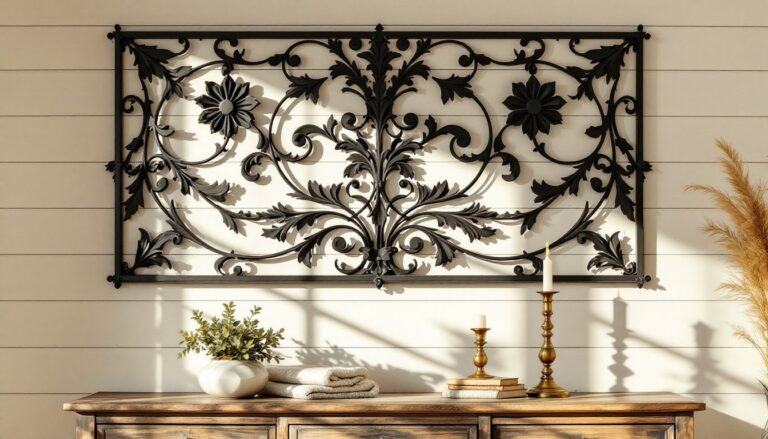

Metal flower wall decor has become a go-to choice for homeowners looking to add character and sophistication without overwhelming a space. Unlike trendy prints that fade in appeal, metal flowers bring durability, texture, and a versatile aesthetic that complements modern, rustic, farmhouse, and traditional interiors alike. Whether you’re filling an empty wall above a sofa or creating a focal point in a bedroom, metal flower wall art delivers impact with minimal fuss. This guide walks you through selecting, installing, and maintaining the right piece for your home, so you’ll feel confident making a choice that lasts.
Table of Contents
ToggleKey Takeaways
- Metal flower wall decor delivers lasting durability and develops character over time, outlasting paint, wallpaper, and canvas art while adding sculptural depth and visual interest to any room.
- Choose from wrought iron ($75–$300+), steel ($25–$120), aluminum ($20–$100), or copper ($80–$250+) based on your budget, space, and desired aesthetic; each material complements different interior styles from farmhouse to contemporary.
- Size your metal flowers strategically—small 12-inch pieces suit hallways, while 24–36-inch installations anchor large walls, and clusters of 3–5 pieces create dynamic compositions for various room sizes.
- Secure pieces larger than 18 inches or heavier than 10 pounds to wall studs with lag bolts, or use toggle bolts and heavy-duty anchors rated for 25–50 pounds for smaller drywall-mounted installations.
- Maintain metal flower wall art by dusting painted finishes regularly, wiping bare steel with dry cloths, polishing copper as needed, and inspecting outdoor pieces annually for rust or loose bolts.
Why Metal Flower Wall Decor Works for Every Room
Metal flower wall decor succeeds where other wall art often falls flat: it doesn’t fade, crack, or look dated in five years. The material itself, whether steel, iron, aluminum, or copper, develops patina and character over time, which actually adds visual interest rather than detracting from it. Homeowners appreciate the durability. A quality metal piece hung properly will outlast paint, wallpaper, and canvas art.
Beyond longevity, metal flowers work because they’re inherently sculptural. They cast shadows that change throughout the day, adding depth to an otherwise flat wall. In living rooms, they create a sophisticated focal point above a fireplace or console table. Bedrooms benefit from the calming, organic shapes: kitchens look less sterile with botanical metallics near open shelving. Even outdoor spaces, covered porches, garden walls, look polished rather than cluttered.
The color range is broader than most assume. Brushed steel reads cool and contemporary: warm copper adds earthiness: painted finishes range from matte black to rose gold. This versatility means you can match your existing palette or use the metal piece as the anchor for a room’s color story. Unlike framed art that requires matting and glass, metal flowers need no matching frames, reducing visual competition on your wall.
Types of Metal Flower Wall Art to Consider
Wrought Iron and Steel Designs
Wrought iron and steel are the traditional choice for metal flower wall decor, and for good reason. Wrought iron is hand-forged by artisans, which means each piece carries subtle variations, no two are identical. This handcrafted quality commands a higher price, typically $75 to $300+ depending on size and complexity, but the investment buys durability and artisan appeal. Steel alternatives offer similar aesthetics at lower cost ($25 to $120) because they’re factory-produced: they’re heavier than aluminum and less prone to bending if accidentally bumped.
Both materials take finish well. You’ll find matte black (pairs with industrial or farmhouse styles), bronze (works with traditional or transitional décor), and aged copper-look finishes. They’re excellent for large-scale installations, a 24- to 36-inch steel flower can anchor an entire wall without appearing delicate or whimsical. The weight demands proper anchoring (discussed below), but that same weight signals quality and permanence.
Aluminum and Copper Options
Aluminum offers lightness and rust resistance, making it ideal if you’re mounting on drywall without backup support or in humid environments (bathrooms, covered porches). Aluminum pieces typically cost $20 to $100 and come in finishes ranging from brushed silver to painted colors. Because aluminum is lightweight, you can use standard drywall anchors rather than studs, which gives you more flexibility in placement.
Copper is the premium choice. Pure copper develops a natural patina (greenish-gray) over months or years, which some homeowners love and others want to prevent with clear coats. Expect to pay $80 to $250+ for authentic copper. It’s softer than steel, so intricate designs are more feasible, but it’s also more prone to denting. Copper works beautifully in bohemian, eclectic, or contemporary spaces where the material itself becomes a design statement. If you want the look of copper without the maintenance or cost, copper-plated steel is a practical middle ground.
How to Choose the Right Piece for Your Space
Start by measuring your wall and understanding the visual weight of your space. A small 12-inch piece disappears on a 20-foot living room wall: an 18-to-36-inch installation commands attention appropriately. For accent walls or narrow spaces (hallways, small bedrooms), smaller pieces (8 to 18 inches) work better. Larger walls benefit from 24-to-48-inch installations, or clusters of varying sizes (a composition of 3 to 5 pieces).
Consider your room’s existing color palette. Matte black metal flowers add drama and sophistication: they pair well with white walls, soft grays, and warm wood tones. Copper or brass finishes warm up cool-toned rooms. Painted finishes (blush, sage, charcoal) can echo your décor without feeling too literal. If you’re unsure, neutral finishes like brushed steel or aged bronze work with most interiors.
Think about the flower type and style. Dahlia and rose designs feel romantic: spiky, geometric blooms read modern: trailing vine-like forms suit bohemian spaces. Realistic, detailed petals suggest craftsmanship: minimalist silhouettes feel contemporary. This is where photo inspiration helps, search Pinterest or interior design sites for your style, then source similar pieces that match your taste.
Budget matters, too. You’ll find metal flower wall art from $15 to $400+, depending on material, size, and whether it’s handcrafted or mass-produced. Handmade pieces from artisans or specialty suppliers cost more but often include custom sizing and finishes. Mass-market metal decor (from big-box retailers or online marketplaces) is affordable but may lack detail or durability. Read reviews carefully, check for mentions of paint quality, material thickness, and shipping damage. Many DIYers follow step-by-step tutorials on platforms like instructables.com to create custom pieces, which saves cost if you enjoy welding or metalworking.
Installation and Maintenance Tips
Installation starts with locating studs if you’re hanging a piece larger than 18 inches or heavier than 10 pounds. Use a stud finder to locate vertical framing (studs are typically 16 inches apart). Stud-mounted installation requires lag bolts or heavy-duty wood screws (3 to 3.5 inches long): drill a pilot hole slightly smaller than your screw diameter, then drive the screw directly into the stud. This method supports unlimited weight.
For smaller pieces or drywall-only mounting, toggle bolts or heavy-duty anchors rated for at least 25 to 50 pounds per anchor work well. Most metal flowers come with a mounting bracket or hanging hardware: if your piece doesn’t, buy a sawtooth hanger or D-ring rated for the weight. Always use at least two anchor points, never hang heavy art on a single fastener.
Measure twice before drilling. Mark your pilot holes with a pencil, and use a level to ensure the piece hangs straight. If installing a cluster, lay out pieces on the floor first to finalize spacing, then transfer measurements to the wall using painter’s tape as a guide.
Maintenance depends on material and finish. Painted metal needs an occasional dust with a soft brush or cloth. Bare steel or iron exposed to humidity will rust: indoor pieces are rarely exposed enough to cause problems, but if you see surface rust, gently wipe with a dry cloth and apply a clear protective spray (available at hardware stores). Copper naturally oxidizes: if you prefer the shiny finish, wipe with a soft, dry cloth and use a copper polish as needed. Outdoor pieces benefit from an annual inspection, check bolts for looseness and refresh protective coatings every 2 to 3 years if exposed to weather. For detailed inspiration on creative home displays, many homeowners reference projects on thesprucecrafts.com to understand styling nuances. Avoid harsh chemicals or pressure washers, which can damage finishes or loosen joints.
Conclusion
Metal flower wall decor bridges the gap between art and function. It’s durable, stylish, and surprisingly versatile, working in farmhouse, modern, eclectic, and traditional spaces alike. By choosing the right material, size, and finish for your room, then installing it securely, you’ll create a focal point that adds depth and character for years to come. Start with a single piece or build a composition that reflects your taste: either way, you’ve got a project that feels high-end without requiring professional installation or constant upkeep.