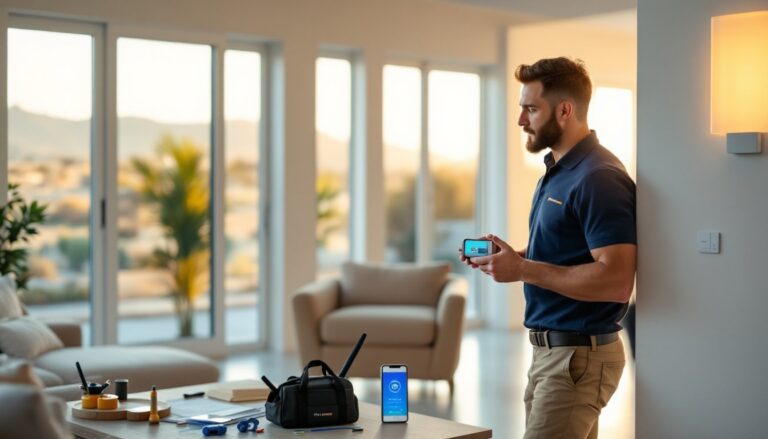

Naples homeowners face unique challenges, salt air corrosion, intense heat and humidity, seasonal flooding risks, and the need for robust security in a tourist destination. Home automation addresses these concerns head-on, turning a house into a responsive, protective asset. From smart thermostats that battle the Florida climate to security cameras that withstand coastal conditions, home automation in Naples isn’t just trendy: it’s practical. This guide walks you through why automation matters here, which systems work best, what you can install yourself, and when to call a professional.
Table of Contents
ToggleKey Takeaways
- Home automation in Naples addresses climate-specific challenges including salt air corrosion, high humidity, and seasonal flooding while reducing energy costs by 10–15% annually.
- Smart security systems like locks, cameras, and door sensors protect against property crime and provide remote monitoring during hurricanes, with some insurance carriers offering 10–15% premium discounts for verified systems.
- DIY installation works well for plug-and-play devices like smart locks, bulbs, and hubs, but hardwired thermostats and whole-home security systems require licensed professionals to avoid fire hazards or HVAC failures.
- Smart thermostats with humidity sensors and WiFi-controlled ceiling fans are essential for managing Naples’ extreme heat and moisture, preventing mold growth and costly air conditioning overuse.
- Home automation systems in Naples should prioritize waterproof outdoor cameras (IP67-rated) and salt-resistant hardware to withstand coastal weather conditions without premature corrosion.
- Basic smart home installations in Naples cost $2,000–4,000, while comprehensive systems with hardwired security and battery backup can exceed $10,000; hiring local installers familiar with coastal conditions ensures reliability.
Why Home Automation Is Essential for Naples Homeowners
Naples’ subtropical climate demands constant attention. Air conditioning runs year-round, indoor humidity creeps above 60% even with dehumidifiers running, and salt air corrodes traditional thermostats and electrical contacts faster than inland homeowners expect. Smart climate control learns your patterns and adjusts temperature proactively, cutting energy waste that drains your wallet in a place where cooling costs spike May through September.
Security concerns differ here too. Property crime exists in vacation destinations, renters cycle through seasonal rentals nearby, and hurricanes create evacuation chaos. Remote monitoring via smartphone lets you check on your home while you’re stuck in traffic fleeing a storm, arm your system before boarding a flight, and respond instantly if motion sensors trigger at 2 a.m. Traditional door locks and manual thermostats simply can’t match the control you need.
Insurance companies increasingly offer discounts for verified smart security systems. Some carriers reduce premiums 10–15% for homes with monitored alarms and smart locks, savings that offset installation costs in two to three years. Beyond dollars, the peace of mind of controlling your home from anywhere beats worrying about whether you left the AC running or the garage door open.
Top Home Automation Systems for Naples Climate and Lifestyle
Smart Lighting and Climate Control Solutions
Smart thermostats like the Ecobee and Nest learn your schedule and adapt to Naples’ extreme heat swings. Models designed for humid climates use humidity sensors to run dehumidification cycles, critical here where mold grows on AC coils in two weeks without attention. Install one in a central location, away from direct sunlight and air vents, and you’ll see 10–15% monthly energy reductions compared to manual thermostats.
Smart lighting saves energy and adds security theater. Motion-activated outdoor lights deter intruders: interior lights on timers simulate occupancy while you’re away. Philips Hue and LIFX bulbs adjust color temperature to match circadian rhythm, helping with sleep quality in a place where staying cool at night matters as much as relaxation.
Smart ceiling fans with WiFi control pull cool air down on humid days, reducing AC strain. Pair them with smart dehumidifiers that monitor moisture levels and activate automatically, preventing the musty basement smell that plagues coastal homes.
Security and Access Control for Coastal Living
Smart locks replace fumbling for keys in the parking lot and eliminate rekeying when guests overstay or renters leave. Yale and Level Lock models withstand salt spray: install one on your front door and you’ll control access remotely, generate temporary codes for contractors or housekeepers, and receive alerts whenever anyone enters. Battery-backup keeps them working even during power outages.
Outdoor security cameras rated IP67 (waterproof) are non-negotiable in Naples. Salt air corrodes standard electronics: look for cameras with stainless hardware or silicone gaskets. Ring, Logitech, and Reolink offer models that stream 2K or 4K video, support local backup (important if your internet hiccups), and include night vision for dark garages or covered porches.
Door/window sensors on sliding glass doors, common targets here, trigger alerts the moment someone opens them while you’re away. Combine these with a smart hub (Apple Home, Amazon Alexa, or Samsung SmartThings) and you’ve got a system that calls your phone, texts your spouse, and logs every entry and exit. Research reviews on CNET and Digital Trends before committing to a hub: interoperability differs between platforms, and you don’t want to rebuild your system in six months.
DIY Home Automation Setup: What Homeowners Can Install Themselves
Smart locks, smart bulbs, and plug-in sensors require zero wiring expertise. Unbox a Yale Smart Lock, swap out your existing deadbolt cylinder (takes 10 minutes with a screwdriver), and you’re done, no electrician needed. Same goes for smart lights: screw them into existing sockets. Plug-in switches let you add smart control to ceiling fans or lamps without rewiring.
Smart hubs (Alexa, Google Home, Apple Home Pod) sit on a shelf or nightstand and connect via WiFi. Pairing a new device takes under a minute: open the app, scan a code, and the hub recognizes it. The hard part, and this trips up most DIYers, is naming devices consistently and grouping them logically (“Living Room Lights” not “Light 1”).
Where DIYers run into trouble: combining devices from different manufacturers. An Alexa hub talks to most things, but a HomeKit device sometimes balks at non-Apple gear. Research Home Automation Protocols before buying, Zigbee, Z-Wave, and WiFi-direct all have tradeoffs. WiFi-only systems drain your router’s bandwidth: Zigbee mesh networks are rock-solid but require compatible hubs.
Hardwired thermostats and whole-home security systems, though? Don’t attempt those yourself. You’re working near 24-volt control wires and high-amperage circuits where mistakes trigger fire hazards or HVAC failures. Hire a licensed HVAC tech to swap your thermostat, and a licensed electrician or security company to wire any hardwired sensors or panel upgrades. The savings (maybe $200–400 in DIY labor) don’t justify risking your home or your safety.
Choosing the Right Professional for Naples Home Automation Installation
Naples has techs who specialize in coastal installs, they know salt-air ratings, local code quirks, and which equipment survives humid Florida summers. Interview three installers, ask for references from other Naples homes, and confirm they’re licensed and insured (electricians, security companies).
A good installer walks you through the setup, programs common automations (lights on at dusk, thermostat to “away” mode when everyone leaves), and trains you on the app. Don’t pay for unnecessary complexity. You don’t need 47 scenes and voice routines right away: start simple, add features later.
Cost varies wildly. A basic smart lock, couple of cameras, and light switches might run $2,000–4,000 installed. A whole-home system with hardwired security, smart HVAC, and backup battery backup can top $10,000+. Get written quotes specifying equipment, labor, and warranties. Some installers offer monitoring contracts (they watch your cameras 24/7), convenient but not required if you’re comfortable with alerts on your phone.
Ask about home automation design considerations during your consultation. Proper placement of hubs, cameras, and sensors can be the difference between a reliable system and one that drops connections or misses alerts. A pro also ensures your WiFi network can handle smart devices without slowing your streaming or video calls.
Conclusion
Smart home automation in Naples solves real problems: energy waste in brutal humidity, security gaps in a tourist-heavy area, and the peace of mind of remote control. Start with plug-and-play devices (locks, lights, cameras), test what works for your routine, then expand. When you’re ready for hardwired upgrades or complex integration, hire a local pro. Your Naples home will run smarter, safer, and cooler, and your next summer electric bill will prove it.